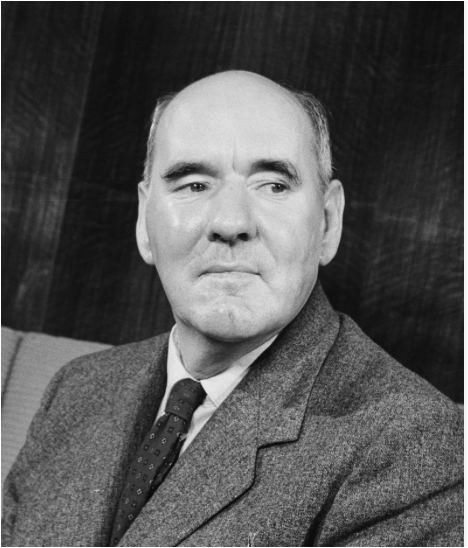
Every organisation wants to move faster. Projects are expected to deliver sooner. Customers demand shorter lead times. Markets change more rapidly than ever. Yet despite better technology, larger teams and increasingly sophisticated project management, many organisations still struggle to deliver work at the pace they aspire to. The response is often predictable. Extend the deadline. Recruit additional people. Schedule more meetings. Increase governance. Introduce another reporting process. These actions are intended to reduce risk. More often, they create delay. More than seventy years ago, British historian C. Northcote Parkinson made an observation that remains remarkably relevant today.
Work expands to fill the time available for its completion.
Originally written as a satirical commentary on bureaucracy, Parkinson’s Law has become one of the most accurate descriptions of organisational behaviour. For leaders pursuing Lean Thinking and Operational Excellence, it explains why organisations often become busier while delivering less.
Time Does Not Create Productivity
Most leaders assume that giving people more time increases the quality of their work. In reality, additional time frequently creates additional complexity. Meetings are added. Reports become longer. Reviews multiply. Requirements evolve. Decisions are revisited. Perfection replaces progress. The work grows—not because people are inefficient—but because the system allows it to. Toyota recognised this decades ago. Rather than encouraging endless refinement, work is structured around flow, cadence and rapid learning. Problems are surfaced early. Decisions are made close to the work. Improvement happens continuously rather than at the end of lengthy projects. The objective is not to stay busy. It is to deliver value.
Bureaucracy Is the Hidden Constraint
As organisations grow, complexity tends to grow with them. Additional management layers appear. Approval processes multiply. Governance forums become more frequent. Reporting requirements increase. Each new process is introduced with good intentions. Collectively, they create friction. Work waits for approval. Projects pause between handovers. Decisions are escalated unnecessarily. Lead times increase despite everyone working harder. Lean describes this as waste. Parkinson described it as the natural tendency of organisations to expand work beyond what is necessary. Different language. The same problem. Operational Excellence requires leaders to remove unnecessary complexity rather than managing it more efficiently.
Activity Is Not Achievement
One of the greatest dangers facing modern organisations is confusing busyness with progress. Calendars become full. Email traffic increases. Teams attend more meetings than ever. Dashboards multiply. Yet customer outcomes remain largely unchanged. Parkinson’s Law reminds us that activity is a poor measure of effectiveness. Toyota measures success differently. The critical questions are: Is value flowing? Are customers receiving what they need more quickly? Has lead time reduced? Has quality improved? Has capability increased? If the answer is no, then greater activity is simply consuming capacity rather than creating value.
Constraints Create Focus
Many leaders view constraints as obstacles. In reality, well-designed constraints often improve performance. Clear deadlines encourage prioritisation. Limited work in progress reduces multitasking. Simple governance accelerates decisions. Defined responsibilities reduce confusion. This principle is central to Lean. Flow improves when unnecessary work is limited. Queues reduce. Attention becomes focused. Problems become visible. People spend less time switching between priorities and more time completing meaningful work. Constraint, when applied intelligently, becomes an enabler rather than a limitation.
The Leadership Challenge
Parkinson’s Law is ultimately not about time. It is about leadership. Leaders shape the environment in which work takes place. They determine how many approvals are required. They define governance. They establish priorities. They decide whether progress is rewarded more than perfection. Every additional report. Every unnecessary meeting. Every duplicated approval. Every delayed decision. These are leadership choices. The pace of an organisation is rarely determined by the capability of its people. It is determined by the quality of the system leaders create.
Flow Is the True Competitive Advantage
Lean organisations understand that speed does not come from asking people to work harder. It comes from eliminating unnecessary friction. Reducing handovers. Simplifying decision-making. Limiting work in progress. Clarifying priorities. Removing bureaucracy. Creating uninterrupted flow. Toyota has demonstrated repeatedly that shortening lead time often improves quality, increases productivity and strengthens customer satisfaction simultaneously. The goal is not simply to complete work faster. The goal is to allow value to flow without interruption. When flow improves, performance follows.
The Bettany Flow Lean Consultancy Perspective
At Bettany Flow Lean Consultancy, we believe the greatest threat to organisational performance is rarely a lack of effort. It is unnecessary complexity. Many organisations unintentionally create systems where work slows as more people, more governance and more reporting are introduced. The result is predictable. Teams become busier. Customers wait longer. Leaders spend more time coordinating than creating value. Operational Excellence requires a different mindset. Rather than asking, “How can we do more?” Exceptional leaders ask: “What can we stop doing?” “What decisions can be made closer to the work?” “Where is bureaucracy preventing value from flowing?” Because sustainable competitive advantage is not created by organisations that work harder. It is created by organisations that remove the obstacles preventing great work from happening. That is the enduring lesson of Parkinson’s Law. And in a world where speed, agility and responsiveness increasingly define success, it may be one of the most valuable lessons leaders can learn.
Leadership Reflection
Before extending your next deadline or introducing another governance process, ask five questions:
• Are we creating value—or simply creating more activity?
• Which approvals, meetings or reports no longer serve a meaningful purpose?
• What is preventing work from flowing to the customer?
• Are our deadlines encouraging focus or allowing unnecessary complexity to develop?
• If we had half the time, what would we do differently?
The organisations that thrive in the future will not necessarily be those with the largest teams or the biggest budgets. They will be those that remove unnecessary complexity, accelerate the flow of value and empower people to make timely decisions. Because Operational Excellence is not achieved by giving work more time. It is achieved by giving work fewer obstacles. That is where high-performing organisations distinguish themselves